Basics
Why Your Annual Engagement Survey Is Failing
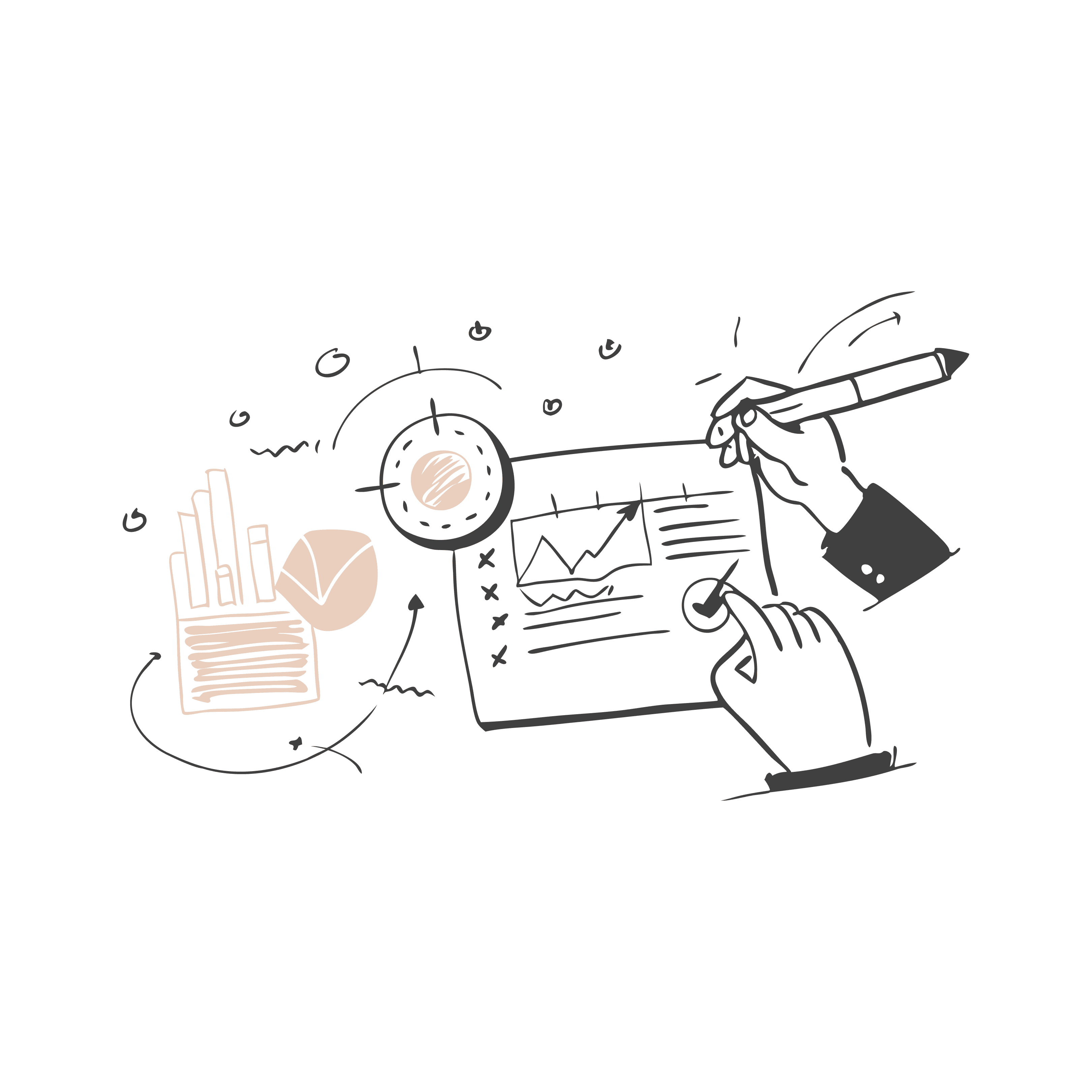
There is a particular kind of institutional confidence that surrounds the annual engagement survey. It gets scheduled months in advance. It has a dedicated budget. Someone senior writes an all-hands email encouraging participation. And then, somewhere between the data collection and the action-planning workshop, the moment that mattered has already passed.
This is not a design flaw that better survey questions can fix. It is a structural problem — and for hybrid teams, it is getting worse.
The Numbers Behind the Frustration
HR professionals already sense something is wrong. The data confirms it.
Survey volumes inside organisations have climbed 85% since 2020. Response rates, over the same period, have collapsed. Many organisations saw their employee survey participation drop from 30% to 18% in the space of six months. Roughly 70% of employees now abandon surveys before completing them — not because they do not care, but because they have been asked too many times, too often, to answer questions that rarely lead to visible change.
This is the survey fatigue problem, and it compounds itself. When employees stop responding honestly — or stop responding at all — the data degrades. When the data degrades, the insights that do emerge are less reliable. When the insights are less reliable, the action plans that follow miss the mark. And when employees see that their feedback has not changed anything, participation drops further in the next cycle.
Global employee engagement declined for the second consecutive year in 2025. Gallup estimates that low engagement now costs the world economy approximately $10 trillion in lost productivity annually. The survey industry, as currently practised, has not reversed this trend. It may be contributing to it.
What Annual Surveys Were Actually Built For
The annual engagement survey was developed for a different workplace — one with fixed hours, co-located teams, and a pace of change that allowed a once-yearly snapshot to remain approximately accurate until the next one arrived.
In that environment, asking a team in November how they felt about their work in the preceding twelve months was a reasonable proxy for understanding the current state of things. The data was delayed, but the reality it was measuring was also relatively stable.
Hybrid teams operate on an entirely different rhythm. Pressure accumulates over weeks, not months. Manager load shifts between sprints. A team that was functioning well in Q1 can be showing significant burnout signals by Q3 — signals that will not reach leadership until Q4's survey is analysed and reported, if they register at all.
By the time the annual survey data lands on an HR leader's desk, it describes a team that no longer exists in quite the same form. Decisions made from that data are made on yesterday's map.
The Three Ways Annual Surveys Fail Hybrid Teams
1. They measure opinions, not behaviour
Most engagement surveys ask employees to report on their own experience: how supported they feel, whether they trust leadership, how likely they are to recommend the company as a place to work. These are useful data points. They are not leading indicators.
An employee who is beginning to disengage rarely announces it on a survey. They may not even fully recognise it themselves. What changes first is behaviour — communication patterns, response times, participation in collaborative work, intensity of contribution. These behavioural signals precede the attitudinal shift that a survey would eventually detect. By the time the survey captures the opinion, the behaviour has already been telling a different story for weeks.
Hybrid teams, operating across distributed environments and asynchronous communication channels, generate more behavioural data than any office-based team ever did. That data is not being used.
2. They aggregate in ways that hide the actual problem
A team of forty people produces a single engagement score. That score is the average of forty different experiences, across four or five teams, managed by three different managers, operating under varying workloads and conditions.
A score of 3.8 out of 5 for "I feel supported in my role" tells you almost nothing useful. It does not tell you which of those three managers is consistently overloading their direct reports. It does not tell you that one team is quietly burning out while the other two are fine. It does not distinguish between the employee who has been here five years and is stable, and the high performer who is being actively headhunted and has not mentioned it to anyone.
Aggregated scores produce the appearance of insight. They rarely produce the thing itself.
3. They arrive too late to prevent what they describe
This is the central problem, and the one that is hardest to design around.
Engagement surveys are, by definition, retrospective instruments. They describe how people felt over a period that has already ended. In fast-moving hybrid organisations, the conditions that created those feelings may have already changed — which means the action plans generated from survey data are addressing a situation that may no longer exist, or missing a new situation that has since developed.
The gap between how quickly teams change and how slowly survey insight arrives is now one of the most significant unmanaged risks in hybrid organisations. Leadership finds out about burnout, friction, and manager overload at the point of escalation or resignation — not before.
The Specific Problem for Hybrid Teams
In a co-located environment, a manager has a reasonable chance of picking up early signals informally. The absence from a meeting, the change in tone in a one-to-one, the colleague who seems quieter than usual. These observations are imperfect, but they operate in real time.
In a hybrid team, that informal layer disappears. A manager may go a week without meaningful interaction with a remote team member. The visual and social cues that once provided a low-fidelity early warning system are absent. What remains is the formal data: the attendance record, the deliverable, the Slack message that says "on it."
These surface signals are easily maintained by someone who is in the early stages of disengagement or burnout. The team keeps hitting targets. The manager reports everything is fine. The annual survey, when it eventually arrives, will either confirm that or deliver a surprise.
For hybrid organisations in a period of rapid scaling, that surprise is the single most avoidable risk in the people function. The signals existed. They simply were not being surfaced in a way that allowed for early intervention.
What Comes After the Annual Survey
Abandoning annual surveys entirely is not the answer — used correctly, they still provide useful longitudinal benchmarks and qualitative depth. The question is what sits alongside them.
The organisations getting ahead of this problem are not running more surveys. They are investing in continuous listening strategies that work with behavioural signals — how teams actually communicate, collaborate, and respond to pressure — rather than asking employees to self-report on how they feel about it.
This approach shifts the data from lagging to leading. Instead of learning about burnout after it has manifested in attrition or performance decline, HR and people leaders receive early indicators: changes in communication intensity, drops in cross-team collaboration, patterns that suggest a manager is operating beyond sustainable capacity. The intervention happens before the moment of crisis, not after it.
For hybrid teams specifically, this is not a marginal improvement. It is the difference between a people function that is proactive and one that is perpetually explaining why it did not see something coming.
The Question Worth Asking
The annual engagement survey will continue to be a fixture of most organisations' HR calendars. The question is not whether to run one. It is whether the data it produces is the only data informing your understanding of how your teams are actually doing.
For a co-located team in a stable environment, it may be sufficient.
For a hybrid team under growth pressure, in a market where talent is scarce and attrition is expensive, it is not.
The signals that predict team breakdown — burnout, friction, disengagement, manager overload — exist in every organisation. They are generated continuously, by the way teams work every day. The gap is not in the signals. It is in the infrastructure for reading them before it is too late.
Elara is built to surface those signals in real time — before they become the problem your next engagement survey confirms. If this resonates with something your team is navigating, the Manager Effectiveness insight is a useful next step.

More Insights
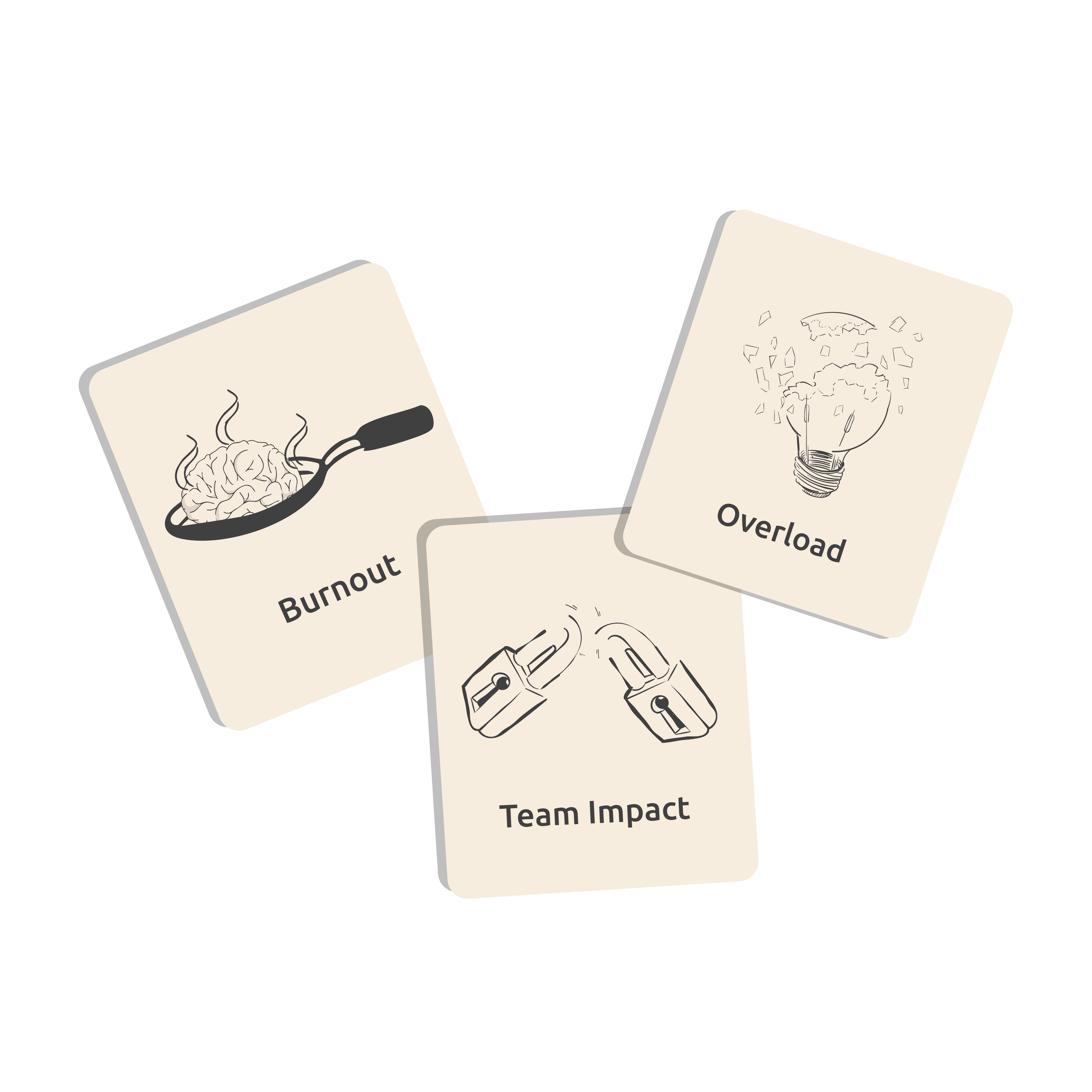
Manager Effectiveness KPIs: What to Actually Measure in a Hybrid Team
Pro Tips
Read Blog
Why Your Annual Engagement Survey Is Failing
Basics
Read Blog
Manager Impact on Employee Retention
Pro Tips
Read Blog

Why Surveys Fail to Stop Burnout
Team Health
Read Blog
How to Implement People Analytics Without “Big Brother” Vibes
Pro Tips
Read Blog

The Lagging Indicator Problem: Why Surveys Fail to Stop Burnout
Pro Tips
Read Blog
The SPACE Framework Explained: An Engineering Leader’s Guide to Team Health
Team Health
Read Blog

Using Predictive Signals to Identify Quiet Quitting Before the Attrition Spike
Team Health
Read Blog

Top 5 Manager Blind Spots in Remote Team Management
Pro Tips
Read Blog

A New Framework for Manager Effectiveness in 2026
Team Health
Read Blog
Why the 6-Month Feedback Loop is Killing Your Hybrid Culture
Team Health
Basics
Read Blog
Book A Demo