Pro Tips
The Lagging Indicator Problem: Why Surveys Fail to Stop Burnout
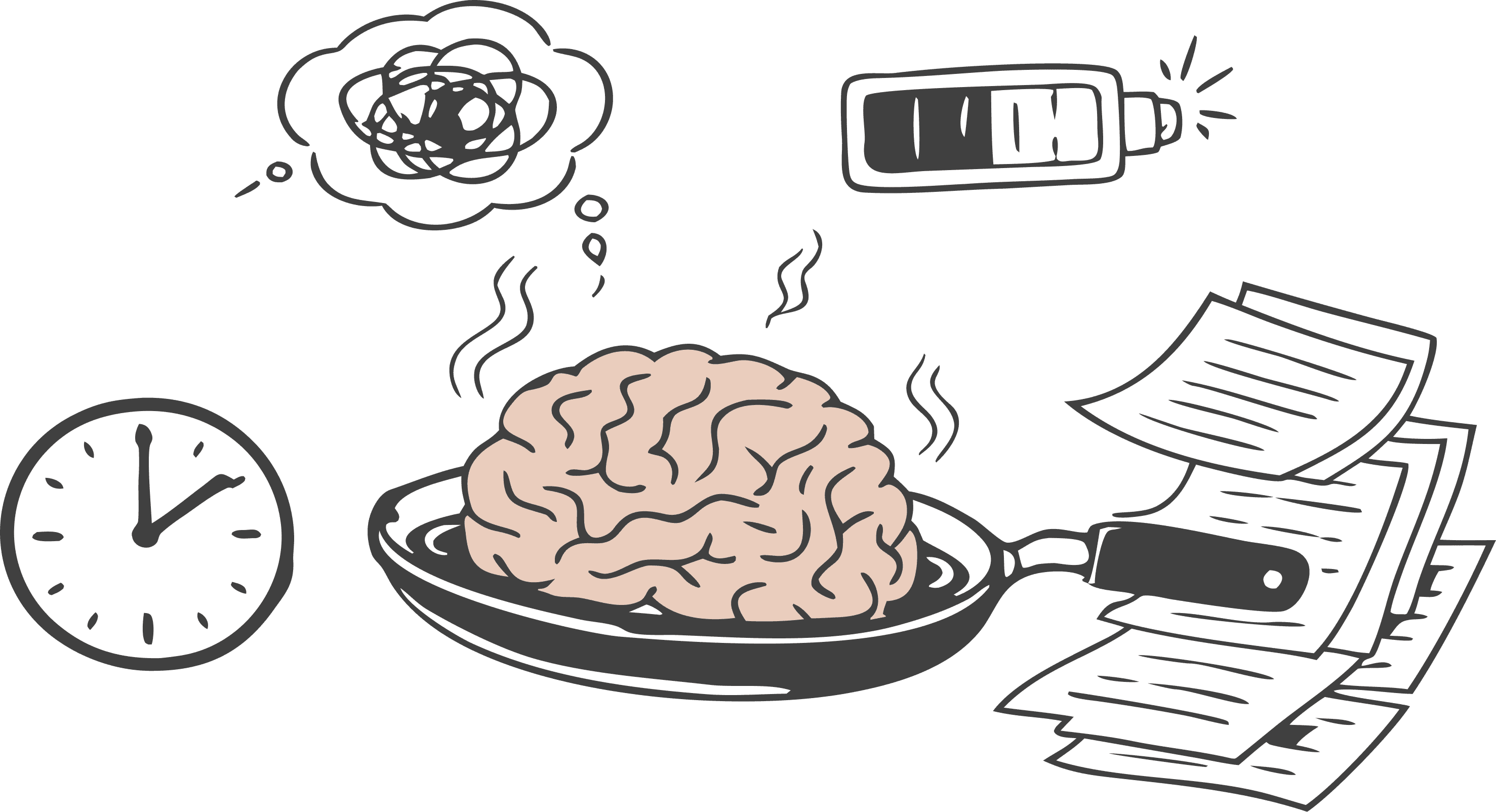
For more than two decades, employee engagement surveys have served as the primary tool organisations use to understand how their workforce is performing. Annual engagement studies, quarterly pulse surveys, and feedback questionnaires promise visibility into morale, satisfaction, and organisational health. In theory, they allow leadership teams to identify emerging problems and respond before those problems escalate.
In practice, however, these tools suffer from a structural limitation that has become increasingly clear in hybrid organisations. Engagement surveys measure sentiment retrospectively. By the time data is collected, aggregated, and analysed, the organisational conditions it describes may already have changed. This delay transforms engagement surveys into lagging indicators rather than actionable signals.
The consequences are particularly serious when organisations attempt burnout detection in hybrid teams. Burnout rarely emerges suddenly. It accumulates gradually through sustained pressure, poor collaboration structures, and persistent workload imbalance. Yet traditional measurement systems capture only periodic snapshots of employee sentiment, often separated by months.
When organisations rely on surveys alone, they often discover burnout only after it has already begun to damage performance or trigger attrition. Leaders receive a report explaining what happened rather than a signal that allows them to intervene early.
Hybrid work has intensified this problem. In distributed environments, managers lose many of the informal signals that once helped them recognise when employees were struggling. Without daily in-person interactions, small shifts in team dynamics become harder to detect. As a result, burnout can remain invisible until it manifests in missed deadlines, declining engagement scores, or resignation letters.
Understanding why this happens requires examining how burnout actually develops within hybrid organisations.
The 3 Hidden Signals of Remote Employee Fatigue
Burnout rarely appears in the form of explicit complaints. Most employees do not report exhaustion directly to leadership or signal disengagement in formal channels. Instead, burnout develops through subtle behavioural changes that accumulate gradually across weeks or months.
These signals often appear long before engagement surveys capture any change in sentiment.
Changes in Collaboration Patterns
One of the earliest indicators of burnout in hybrid environments is a shift in how employees participate in collaboration. Team members who were previously active contributors to discussions, code reviews, or planning meetings may begin withdrawing from shared workspaces. Response times increase, participation declines, and communication becomes more transactional.
In remote environments, these signals can easily be misinterpreted as temporary workload pressure or personal preference. However, when observed consistently across teams, declining collaboration activity often reflects deeper strain. Employees experiencing fatigue frequently reduce discretionary collaboration in order to preserve cognitive energy for essential tasks.
From an organisational perspective, this shift can significantly affect performance. Collaboration breakdowns often precede delivery delays, quality issues, and misaligned project execution.
Sustained Workload Imbalance
Another early indicator of burnout involves uneven workload distribution across teams. In hybrid organisations, managers often struggle to recognise when certain employees or sub-teams are carrying disproportionate responsibility.
Remote work amplifies this risk because visibility into daily activity is reduced. Managers may rely heavily on sprint metrics or project dashboards that highlight outcomes but obscure how work is distributed among contributors.
Over time, sustained imbalance can push high-performing employees toward exhaustion while leaving leadership unaware that certain individuals are absorbing excessive operational pressure.
Declining Cognitive Bandwidth
Burnout does not always reduce productivity immediately. In many cases, employees experiencing early fatigue maintain output levels while gradually losing cognitive bandwidth for creative problem solving or complex tasks.
This form of disengagement can manifest as reduced initiative, slower decision-making, or reluctance to take ownership of new projects. Because these behaviours are subtle and rarely captured by traditional metrics, they often go unnoticed until broader performance patterns deteriorate.
Together, these signals illustrate why burnout detection in hybrid teams requires more than periodic sentiment surveys. By the time engagement scores decline, the behavioural indicators of burnout may have been visible for months.
Real-Time Analytics vs. Annual Engagement Surveys
The limitations of engagement surveys become particularly clear when organisations compare them to systems designed to capture continuous organisational signals.
Annual or quarterly surveys operate on a retrospective model. Employees are asked to reflect on their experience over an extended period and translate that experience into structured responses. The resulting data is aggregated into reports that describe organisational conditions at a specific moment in time.
While these reports can reveal broad trends, they struggle to capture dynamic changes within teams. Hybrid organisations operate in cycles measured in weeks rather than quarters. Product launches, restructuring events, and major initiatives can significantly alter workload and team dynamics within a matter of days.
When surveys occur only periodically, they fail to capture these fluctuations.
Real-time analytics approaches address this limitation by analysing patterns of work as they occur. Instead of relying on self-reported sentiment, these systems observe how collaboration, workload distribution, and team communication evolve over time.
For example, continuous signals can reveal when collaboration intensity suddenly drops within a team, when certain employees experience sustained workload spikes, or when cross-team communication begins to fragment. These changes often appear well before employees consciously interpret them as burnout.
From a leadership perspective, this shift transforms how organisational health is managed. Rather than responding to retrospective reports, managers gain the ability to observe emerging patterns and intervene earlier.
The distinction is critical. Engagement surveys explain what happened. Continuous analytics reveal what is beginning to happen.
Equipping Managers with “Empathy Data”
One of the most persistent challenges in hybrid organisations is the growing distance between managers and the teams they lead. Remote work has made leadership more complex because many traditional signals of employee wellbeing have disappeared.
In physical workplaces, managers could observe behavioural cues such as withdrawal from meetings, visible stress, or shifts in team interactions. These signals helped experienced leaders recognise when employees needed support.
Hybrid environments reduce this visibility. Communication occurs through structured channels rather than spontaneous conversation, making it harder for managers to identify emerging issues.
This is where the concept of empathy data becomes valuable.
Empathy data refers to signals that help leaders understand how teams are functioning beyond task completion. These signals do not replace human judgment. Instead, they enhance it by providing context that managers might otherwise miss.
Examples include patterns of collaboration across teams, sustained increases in workload for specific individuals, or declines in communication responsiveness. When presented appropriately, these insights allow managers to identify potential pressure points without monitoring individual behaviour.
The goal is not surveillance. The goal is awareness.
Effective burnout detection in hybrid teams requires leaders to combine human intuition with system-level visibility. Managers remain responsible for interpreting signals and supporting their teams, but they are no longer forced to rely solely on intuition.
Instead, they gain structured insight into how work dynamics evolve across the organisation.
Rethinking Organisational Visibility in Hybrid Work
The rise of hybrid work has fundamentally changed how organisational health must be monitored. Traditional engagement surveys were designed for environments where leaders had regular direct visibility into their teams. In those settings, survey results supplemented the informal insights managers gathered through daily interaction.
In distributed organisations, the balance has shifted. Managers now depend more heavily on formal systems to understand what is happening within their teams.
This reality does not mean engagement surveys should disappear. Surveys remain valuable tools for understanding how employees interpret their experience and what they expect from leadership. However, they cannot function as the sole measurement system for organisational health.
Instead, surveys must be complemented by systems capable of detecting emerging patterns in how teams actually work.
When organisations adopt this combined approach, engagement surveys become contextual insights rather than delayed alarms. Leaders can compare self-reported sentiment with real-time behavioural signals and identify discrepancies that reveal deeper problems.
For example, a team may report stable engagement scores while simultaneously exhibiting declining collaboration patterns or rising workload concentration. Without continuous signals, this contradiction would remain invisible.
From Reactive HR to Predictive Team Health
Ultimately, the challenge organisations face is not simply measuring engagement. It is anticipating organisational risk before that risk becomes visible in attrition metrics or performance decline.
Burnout represents one of the most expensive forms of organisational risk because it develops slowly and spreads across teams. Once it becomes visible, the cost of intervention is significantly higher.
The goal of modern workforce analytics is therefore not simply measurement but anticipation. By combining sentiment insights with continuous organisational signals, companies can shift from reactive responses to proactive management.
For HR leaders and people analytics teams, this transition represents a fundamental change in responsibility. Rather than reporting what happened last quarter, they gain the ability to identify where pressure is building and intervene before problems escalate.
In hybrid organisations where team dynamics evolve rapidly, this capability is increasingly essential.
Effective burnout detection in hybrid teams depends on recognising that employee wellbeing cannot be measured only at fixed intervals. It must be understood as an evolving system of signals that reveal how work is experienced in real time.
When organisations begin to see those signals clearly, burnout becomes something they can prevent rather than merely document.

More Insights
Manager Effectiveness KPIs: What to Actually Measure in a Hybrid Team
Pro Tips
Read Blog
Why Your Annual Engagement Survey Is Failing
Basics
Read Blog
Manager Impact on Employee Retention
Pro Tips
Read Blog
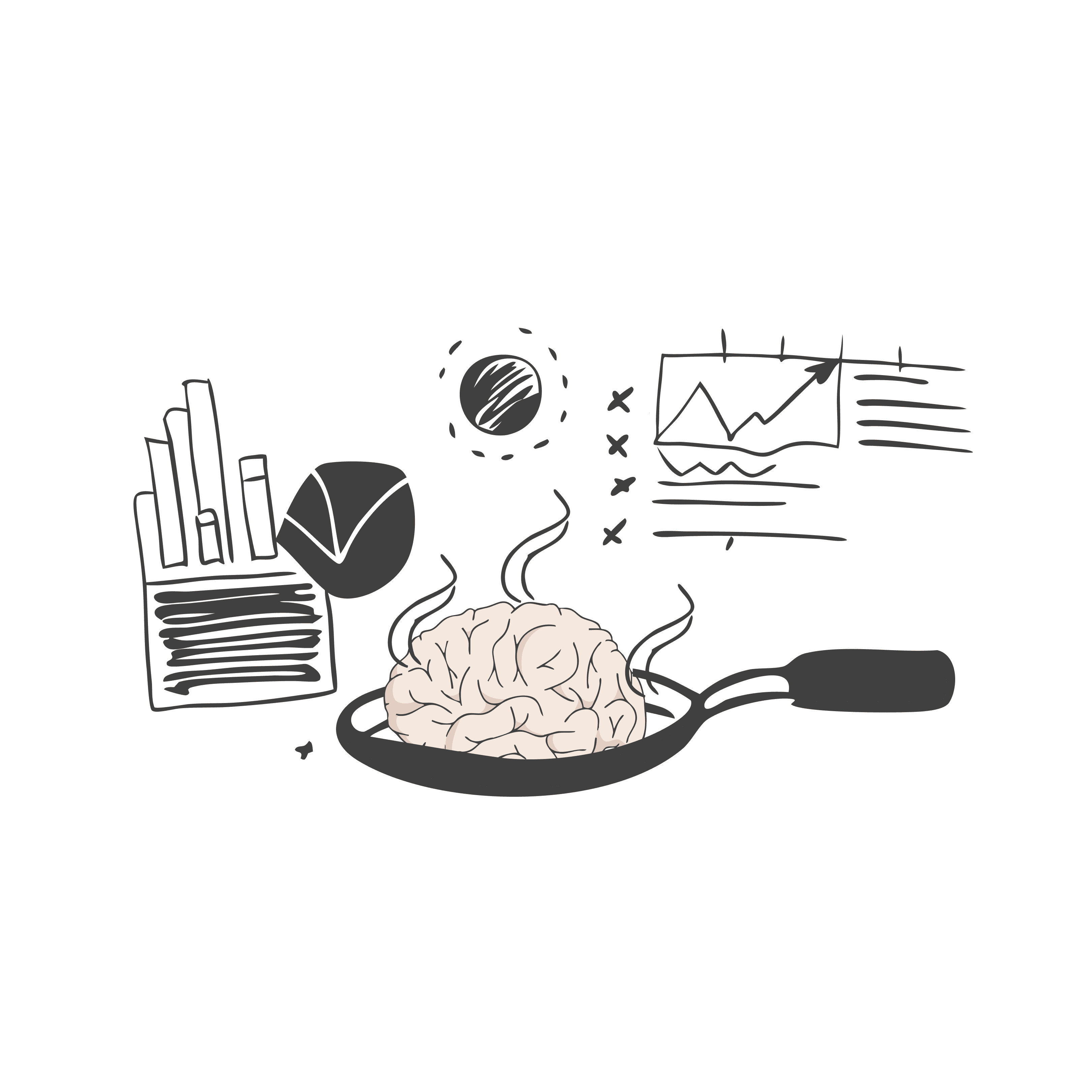
Why Surveys Fail to Stop Burnout
Team Health
Read Blog
How to Implement People Analytics Without “Big Brother” Vibes
Pro Tips
Read Blog
The Lagging Indicator Problem: Why Surveys Fail to Stop Burnout
Pro Tips
Read Blog
The SPACE Framework Explained: An Engineering Leader’s Guide to Team Health
Team Health
Read Blog
Using Predictive Signals to Identify Quiet Quitting Before the Attrition Spike
Team Health
Read Blog

Top 5 Manager Blind Spots in Remote Team Management
Pro Tips
Read Blog

A New Framework for Manager Effectiveness in 2026
Team Health
Read Blog
Why the 6-Month Feedback Loop is Killing Your Hybrid Culture
Team Health
Basics
Read Blog
Book A Demo