Team Health
Why Surveys Fail to Stop Burnout
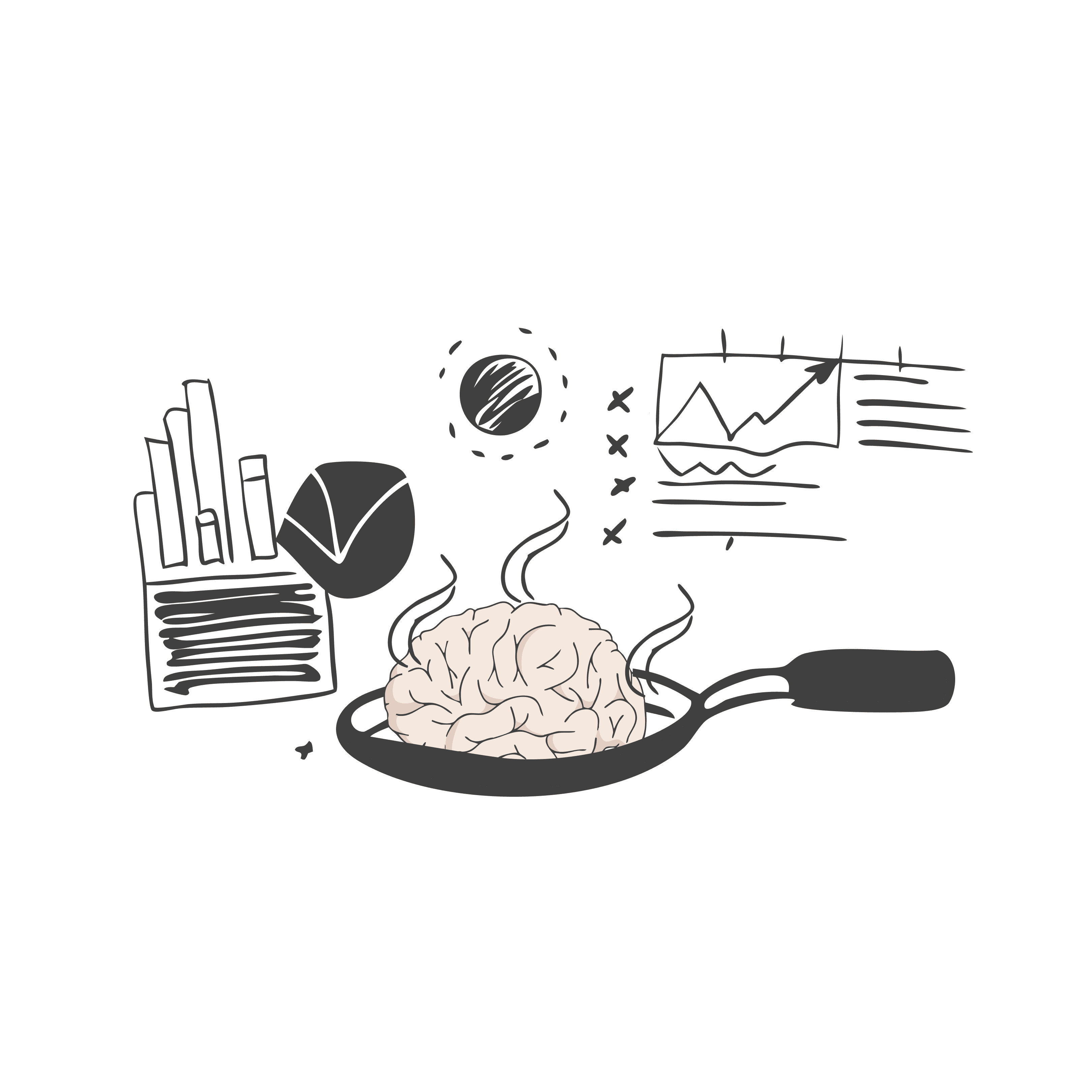
Why engagement data often arrives too late
Here's a sobering reality: by the time your quarterly employee survey reveals burnout in your team, 67% of those affected employees have already mentally checked out. The damage isn't just done—it's been compounding for months while you waited for data that arrives like a weather report about yesterday's storm.
For remote teams especially, this delay can be catastrophic. Without the natural touchpoints of office interactions, burnout spreads silently through your organization while traditional measurement tools remain blind to the crisis brewing beneath the surface.
The Survey Delay Problem: A 3-6 Month Blind Spot
Traditional employee engagement surveys operate on quarterly or annual cycles, creating massive blind spots in team health monitoring. Think about what happens in those gaps:
Week 1-4: Early signs of stress emerge—missed deadlines, shorter responses, decreased participation in team calls
Week 5-8: Stress compounds into overwhelm—quality drops, communication becomes strained, team dynamics shift
Week 9-12: Burnout sets in—disengagement becomes visible, productivity plummets, but your next survey is still weeks away
By the time that quarterly survey launches, you're not measuring employee sentiment—you're conducting an autopsy on team morale that died months ago.
The fundamental flaw isn't in the survey questions or methodology. It's in the timing. Burnout doesn't wait for your measurement schedule.
The Damage Timeline: How Burnout Outpaces Survey Cycles
Burnout follows a predictable progression that happens far faster than most organizations realize:
Stage 1: The Stress Accumulation Phase (Days 1-21)
Initial warning signs appear: longer hours, skipped breaks, increased irritability. These early indicators are subtle but measurable—if you're looking for them in real-time.
Stage 2: The Coping Mechanism Failure (Days 22-42)
Personal coping strategies begin failing. Sleep patterns change, work-life boundaries blur, and team communication patterns shift noticeably.
Stage 3: The Performance Impact Phase (Days 43-84)
Work quality decreases, collaboration suffers, and the individual begins affecting team dynamics. This is typically when managers start noticing something is wrong.
Stage 4: The Disengagement Phase (Days 85+)
Full burnout sets in. The employee becomes emotionally detached, productivity crashes, and recovery requires significant intervention—assuming they haven't already started job hunting.
Most organizations don't measure team health until Stage 4, when intervention becomes exponentially more difficult and expensive.
The Real-Time Solution: Live Team Health Monitoring
Real-time team health monitoring flips the script from reactive damage control to proactive wellness management. Instead of waiting months to discover problems, you can identify stress patterns within days and intervene before burnout takes hold.
This approach tracks leading indicators of team health:
Communication patterns: Response times, message tone, participation levels
Work rhythm changes: Login patterns, break frequency, after-hours activity
Collaboration health: Meeting engagement, project contribution patterns, peer interaction quality
Workload distribution: Task completion rates, deadline pressure indicators, capacity utilization
The key difference? These metrics update continuously, giving you a live pulse on team wellness rather than a quarterly autopsy report.
Why Traditional Surveys Miss the Mark
Beyond timing issues, traditional surveys have structural problems that limit their effectiveness:
The Recency Bias: Employees report based on their last few days, not the full quarter, skewing results toward recent events.
The Hindsight Problem: People often can't accurately recall their stress levels from months ago, making historical analysis unreliable.
The Response Fatigue: Quarterly surveys feel like homework, leading to rushed, superficial responses that miss nuanced issues.
The Context Gap: Surveys capture sentiment but miss the behavioral patterns that reveal the full story of team health.
Implementation Strategy: Moving from Reactive to Proactive
Transitioning from traditional surveys to real-time monitoring requires a strategic approach:
Phase 1: Baseline Establishment
Start by implementing continuous monitoring alongside your existing survey schedule. This creates a baseline and helps you correlate real-time indicators with traditional engagement scores.
Phase 2: Early Warning System
Develop alert thresholds for key indicators. When stress patterns emerge, managers receive actionable insights about specific team members who may need support.
Phase 3: Intervention Framework
Create protocols for different alert levels—from simple check-ins for minor stress indicators to comprehensive support plans for more serious concerns.
Phase 4: Platform Integration
This is where tools like elara become essential. elara's real-time team health platform seamlessly integrates with your existing workflow tools, providing continuous insights without adding survey fatigue to your team's workload. The platform tracks behavioral indicators automatically, giving managers actionable data about team wellness before problems become crises.
elara's approach eliminates the delay inherent in traditional surveys by monitoring the digital footprints of team collaboration, communication, and work patterns. Instead of asking employees how they feel quarterly, elara shows you how they're actually performing daily.
The Future of Team Health Management
The organizations that thrive in the remote-first world won't be those with the best quarterly surveys—they'll be the ones with real-time visibility into team health. They'll prevent burnout instead of measuring it, support struggling employees before they disengage, and maintain high-performing teams through proactive wellness management.
Your team's health changes daily. Your measurement strategy should too.
The question isn't whether you can afford to implement real-time team health monitoring. It's whether you can afford to keep flying blind for months at a time while your team's wellness deteriorates in real-time.
Stop measuring yesterday's problems. Start preventing tomorrow's burnout.

More Insights
Manager Effectiveness KPIs: What to Actually Measure in a Hybrid Team
Pro Tips
Read Blog
Why Your Annual Engagement Survey Is Failing
Basics
Read Blog
Manager Impact on Employee Retention
Pro Tips
Read Blog
Why Surveys Fail to Stop Burnout
Team Health
Read Blog
How to Implement People Analytics Without “Big Brother” Vibes
Pro Tips
Read Blog
The Lagging Indicator Problem: Why Surveys Fail to Stop Burnout
Pro Tips
Read Blog
The SPACE Framework Explained: An Engineering Leader’s Guide to Team Health
Team Health
Read Blog
Using Predictive Signals to Identify Quiet Quitting Before the Attrition Spike
Team Health
Read Blog

Top 5 Manager Blind Spots in Remote Team Management
Pro Tips
Read Blog

A New Framework for Manager Effectiveness in 2026
Team Health
Read Blog
Why the 6-Month Feedback Loop is Killing Your Hybrid Culture
Team Health
Basics
Read Blog
Book A Demo